Cet article n’est pas encore traduit, il est donc affiché en anglais.
Voyager 1 Is Now One Light-Day From Earth: What That Means and How It Still Works
NASA's Voyager 1 is the first spacecraft one light-day from Earth: 16 billion miles, a 24-hour signal. Its history, how it still phones home and what's next.
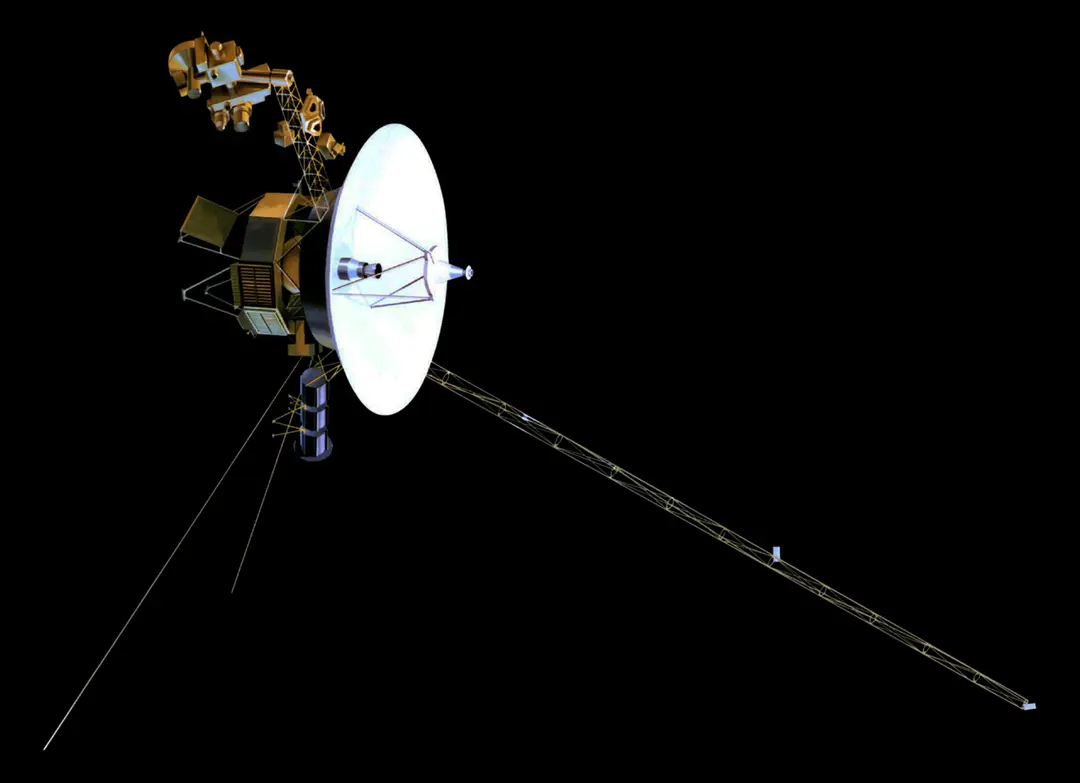
NASA's Voyager 1 just became the first human-made object to reach one light-day from Earth. A radio message from the spacecraft now takes a full 24 hours to get home. Here's what that milestone means, how a probe launched in 1977 still works, and how much longer it can keep going.
Flight controllers received Voyager 1's call on Thursday, November 19, 2026, exactly 24 hours after the spacecraft sent it, the Associated Press reported. Travelling at the speed of light, the signal had to cross more than 16 billion miles (26 billion kilometers) of space.
"Voyager 1 crossing the light-day threshold is yet another historic feat on an extraordinary voyage of discovery," said Dave Gallagher, director of NASA's Jet Propulsion Laboratory.
Quick facts
- Milestone: one light-day from Earth, the first spacecraft ever to get this far
- Distance: more than 16 billion miles (26 billion km)
- Signal delay: 24 hours each way, so a question and its answer take two full days
- Launched: 1977
- Speed: about 38,000 mph (61,000 kph)
- Power: plutonium, not solar
- Age: 49 years, and still sending data almost every day
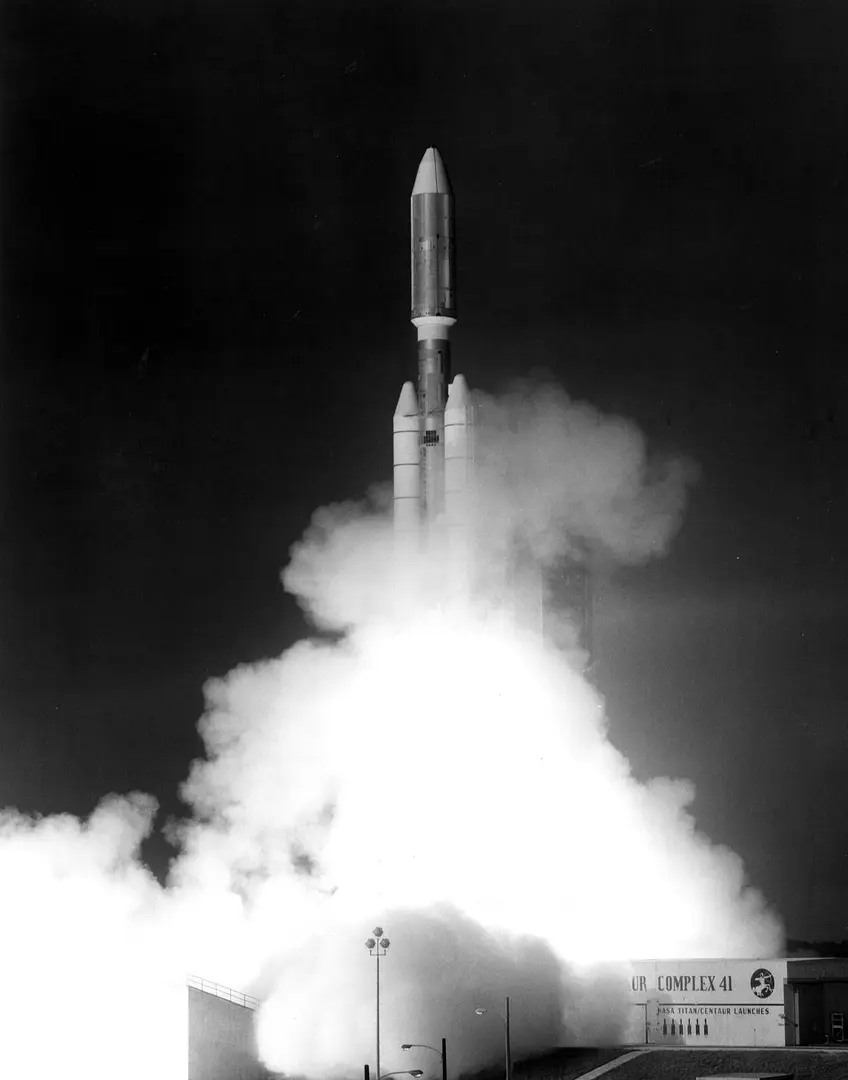
Voyager 1 lifts off on a Titan-Centaur rocket from Cape Canaveral in 1977. (Photo: NASA, public domain)
What is a light-day?
A light-day is the distance light travels in one day. Light is the fastest thing in the universe, at about 186,000 miles every second. Even at that speed, Voyager 1 is now so far away that its radio signal needs a whole day to reach us.
For comparison, sunlight takes about 8 minutes to reach Earth. Voyager 1 is about 170 times farther away than the Sun.
Voyager 1's record-breaking journey
Voyager 1 has been breaking records for almost half a century:
- 1977: launches from Florida
- 1979: flies past Jupiter
- 1980: flies past Saturn
- 1990: turns around and takes the famous "Pale Blue Dot" photo of Earth
- 1998: becomes the most distant human-made object
- 2012: leaves the Sun's bubble and enters interstellar space
- 2026: reaches one light-day from Earth
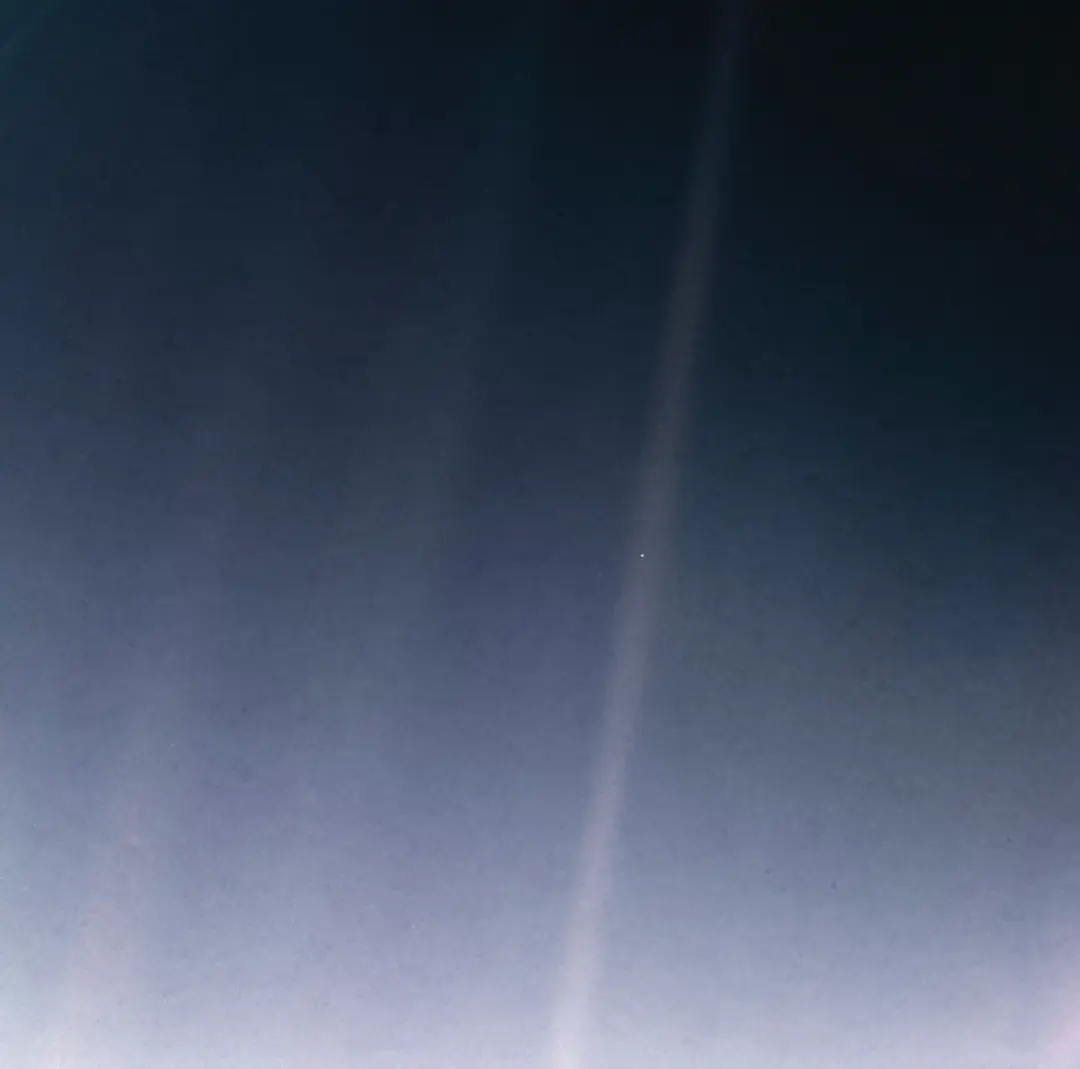
The "Pale Blue Dot": Earth as a tiny speck, photographed by Voyager 1 in 1990 from about 4 billion miles away. (Image: NASA/JPL-Caltech, public domain)
Wait, isn't Voyager 1 already in interstellar space?
Yes. In 2012, Voyager 1 crossed the edge of the heliosphere, the giant bubble of solar wind around our Sun. It was the first spacecraft ever to do that. Its twin, Voyager 2, followed in 2018.
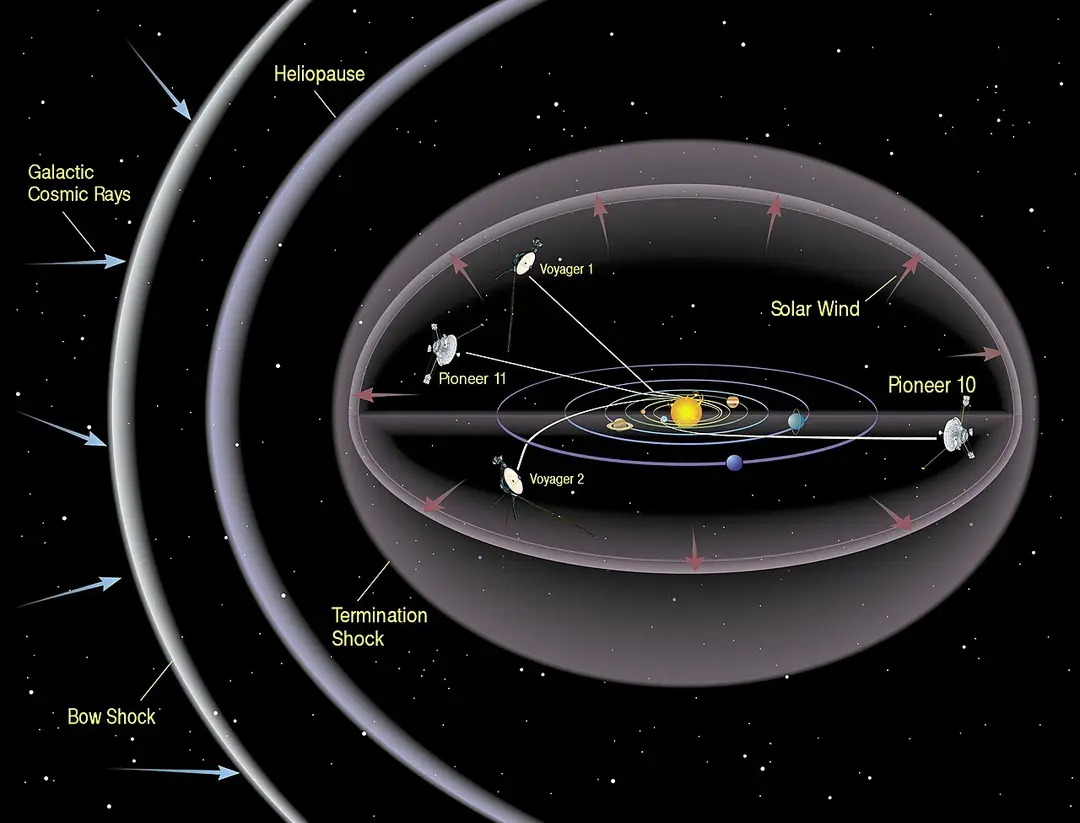
A NASA diagram of the heliosphere, the Sun's bubble. Both Voyagers have now crossed its edge into interstellar space. (Image: NASA, public domain)
How does it still phone home?
By the time Voyager 1's radio signal reaches Earth, it is incredibly faint. NASA catches it with the Deep Space Network, a set of giant radio dishes in California, Spain and Australia.
The probe runs on plutonium, which slowly produces heat that is turned into electricity. That power drops every year, so NASA has switched off most of the instruments to keep the spacecraft alive. Picture-taking ended long ago, but it still sends back small amounts of data almost every day about a part of space nothing else has ever explored.
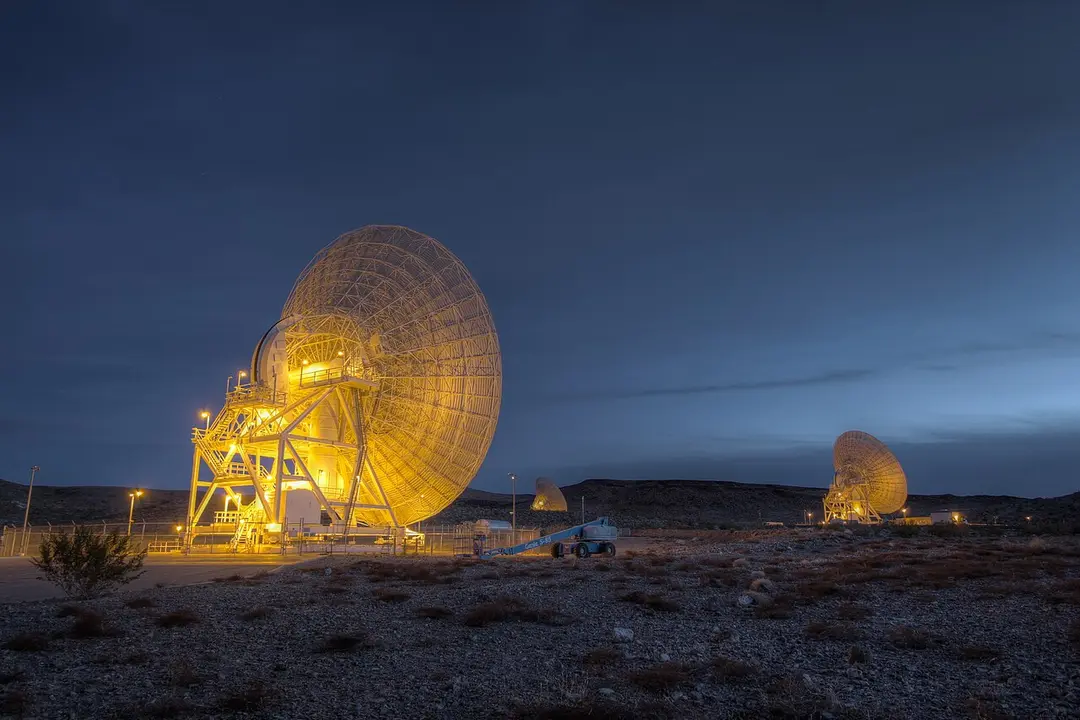
A Deep Space Network dish at Goldstone, California. Antennas like this catch Voyager 1's faint signal. (Photo: NASA/JPL-Caltech, public domain)
The Golden Record
Each Voyager carries a Golden Record, a gold-plated phonograph record full of the sounds and pictures of Earth: music, greetings in many languages, and natural sounds. The project was led by astronomer Carl Sagan, who also named the "Pale Blue Dot."
NASA expects the records to last more than 1 billion years, a time capsule for anyone, or anything, that might find them.
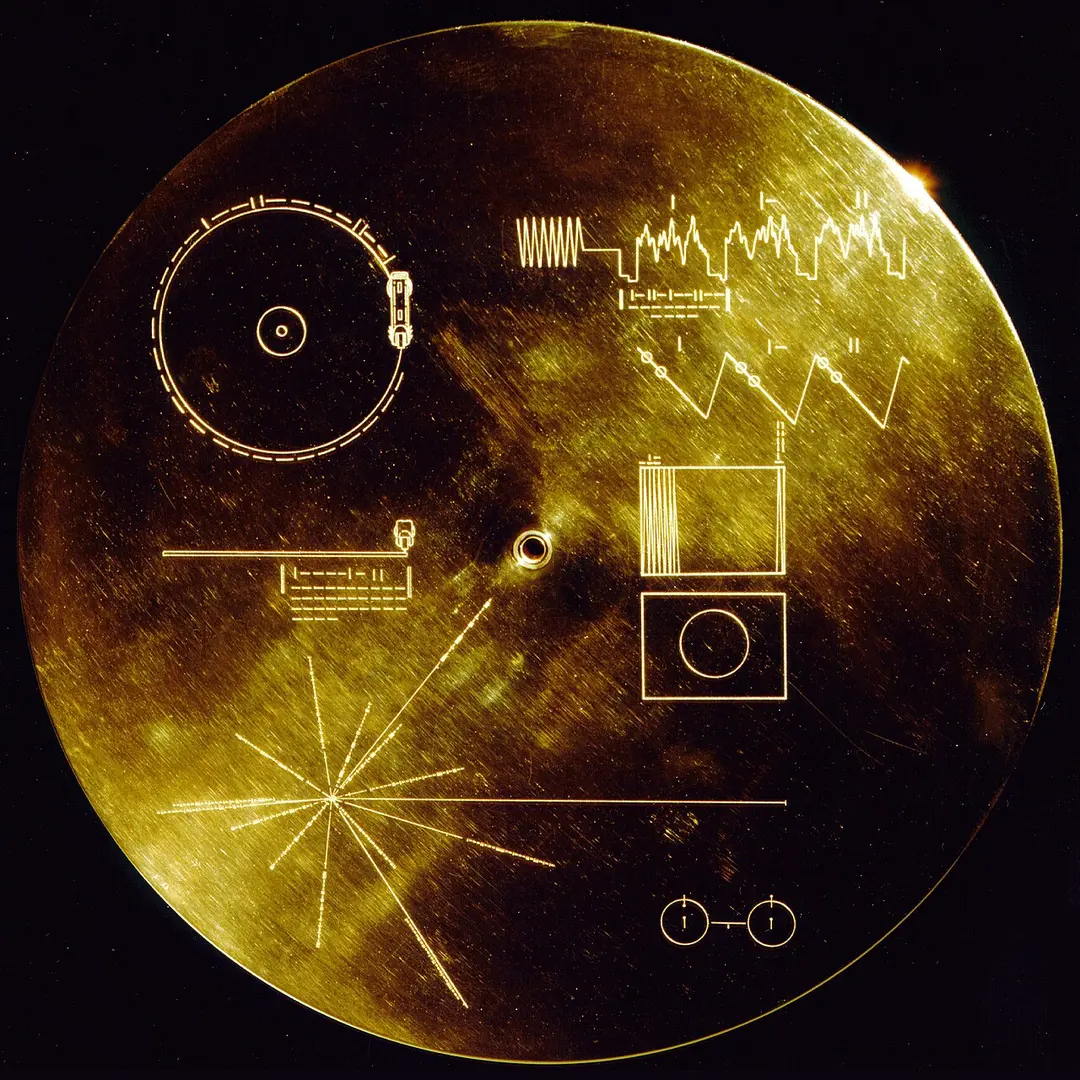
The cover of the Golden Record, "The Sounds of Earth." It explains how to play the record and where it came from. (Image: NASA/JPL, public domain)
What about Voyager 2?
Voyager 2 actually launched two weeks earlier. But it took a longer route past Jupiter, Saturn, Uranus and Neptune, so it's slower and closer to home. It won't reach the one-light-day mark until 2035.
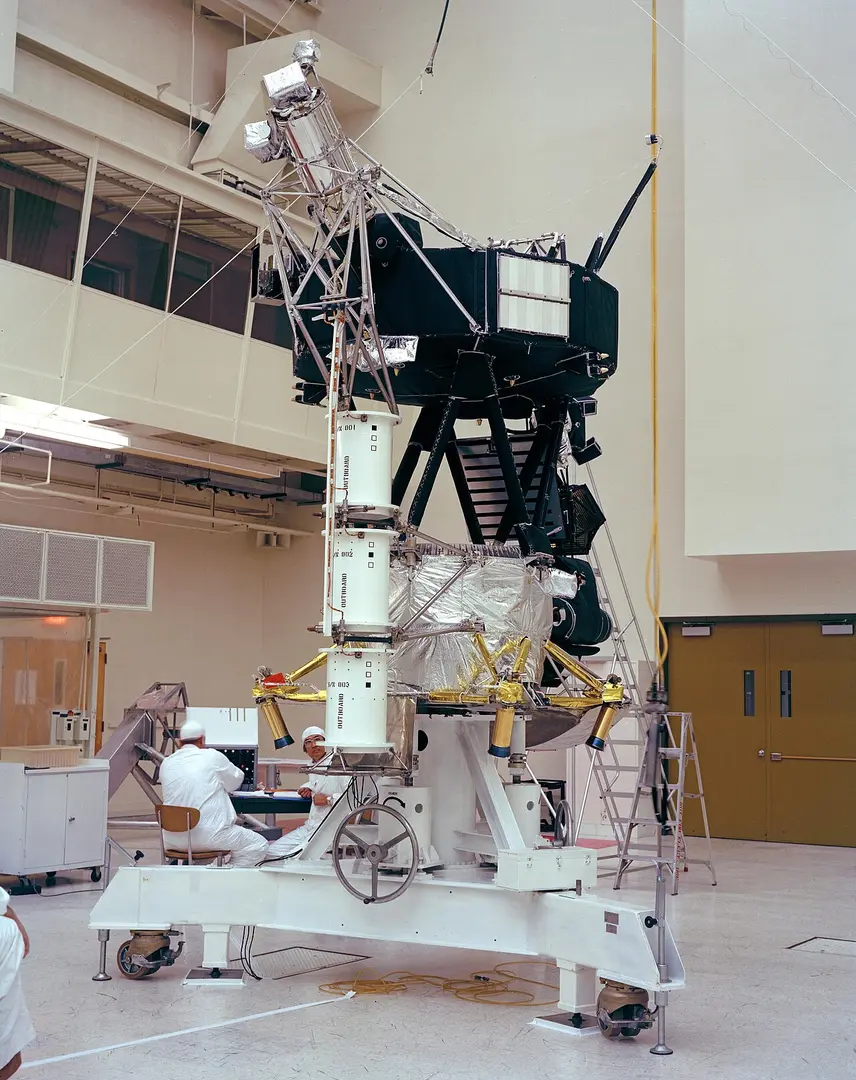
A Voyager test model being built at NASA's Jet Propulsion Laboratory in the 1970s. (Photo: NASA/JPL, public domain)
What's next
Voyager 1 will keep going for as long as its power lasts. Every year, NASA has to turn off a little more to save energy. But for now, a machine built in the 1970s is still calling home, one day at a time.
"Traveling a light-day is a singular feat for a spacecraft, but Voyager is so much more than a distant traveler," said NASA's heliophysics director, Joe Westlake.