Cet article n’est pas encore traduit, il est donc affiché en anglais.
Microsoft, the FAA, Banks, iCloud, PlayStation: Why Is Everything Going Down at Once?
Microsoft, the FAA, big banks, iCloud and PlayStation all failed in one week. What each company blamed, why people suspect AI, and what experts think.
In just one week, Microsoft email, U.S. air travel, the biggest banks, Apple's iCloud and the PlayStation Network all went down. Officials say the outages aren't connected, and they aren't cyberattacks. So why are so many people blaming AI? Here's what happened, what each company said, and what experts think is really going on.
It started with email and ended, for now, with the biggest video game launch of the decade. In between, flights were grounded across the U.S. and millions of people couldn't log in to their bank accounts. As Yahoo Tech's Andrew Romano put it, the run of failures left a creeping sense that everything is broken.
Quick facts: the outage week
- Thursday, Nov. 12: Microsoft Outlook crashes, cutting off email for millions worldwide
- Friday, Nov. 13: an air-traffic-control glitch triggers a nationwide FAA ground stop
- Monday, Nov. 16: customers of Chase, Bank of America and Wells Fargo lose online access
- Tuesday, Nov. 17: Apple iCloud goes down; United Airlines and NSA systems also had problems that week
- Wednesday, Nov. 18: the PlayStation Network fails for thousands on the eve of GTA 6
- Cyberattack? Officials say no
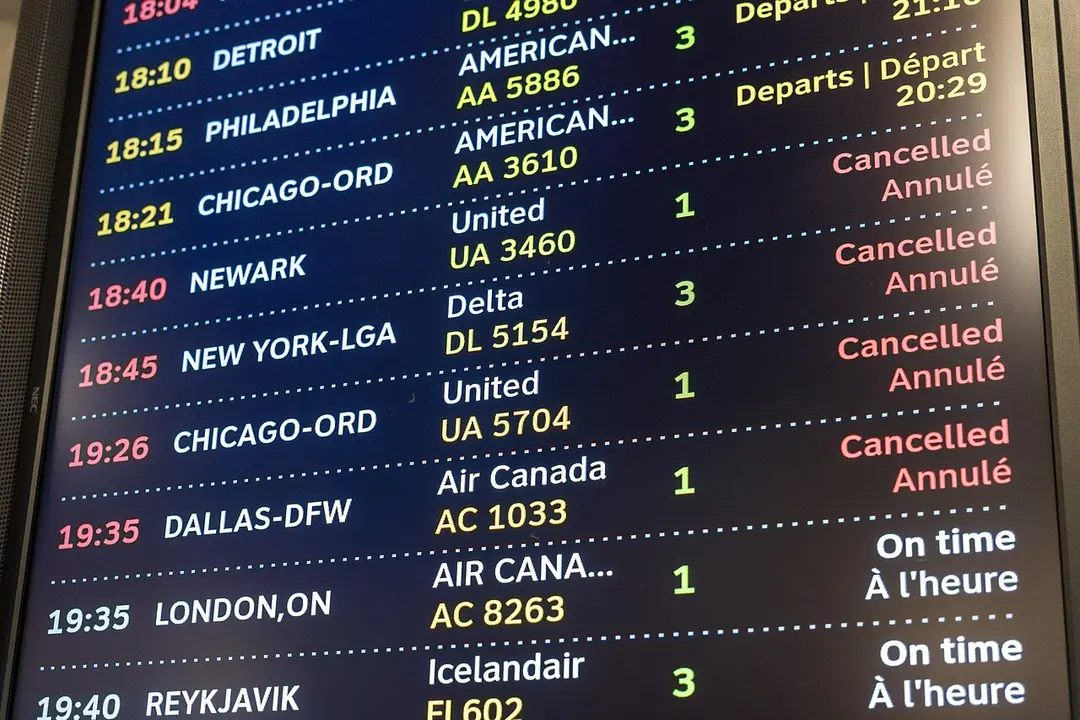
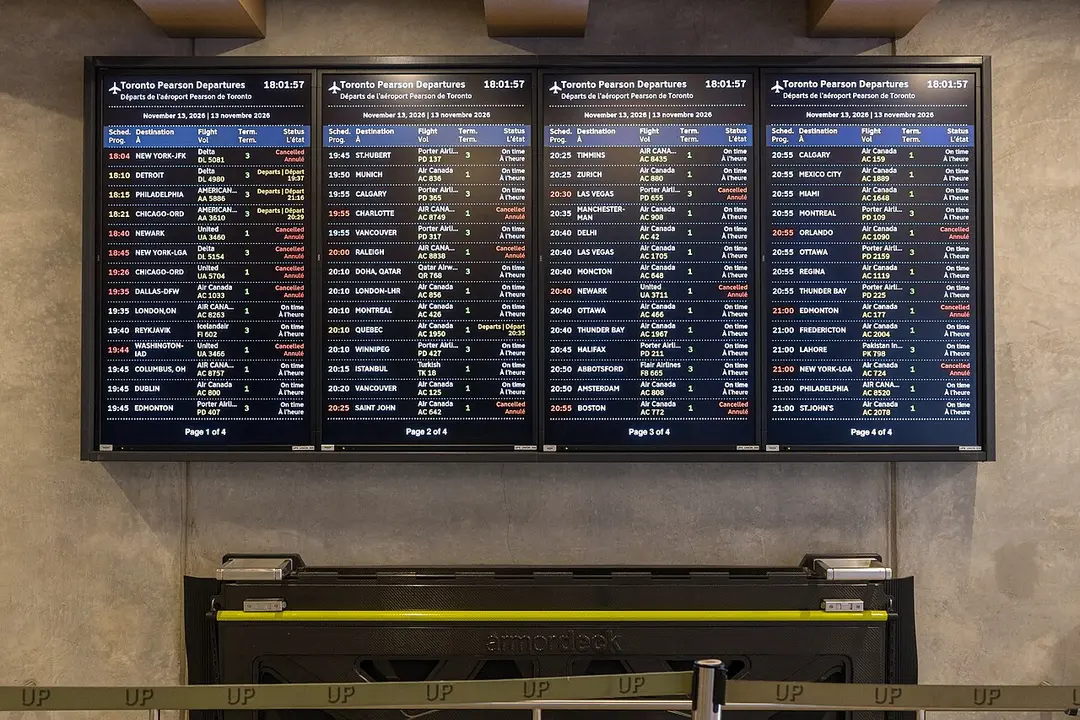
"Cancelled" after "Cancelled": U.S.-bound flights at Toronto Pearson during the November 13 FAA ground stop. (Photo: Dillan Payne, CC BY-SA 4.0, via Wikimedia Commons)
What actually broke, and what each company blamed
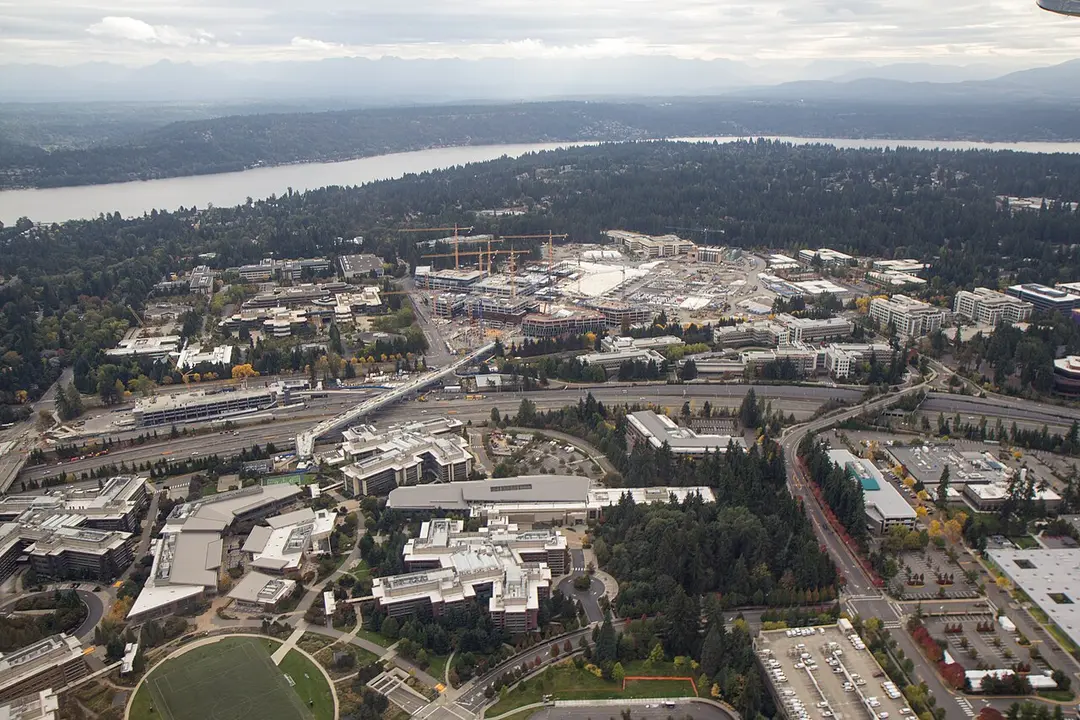
Microsoft. The company said Outlook went down because of a dormant software bug introduced during a recent "network capacity upgrade." It had been sitting there, undetected, since July.
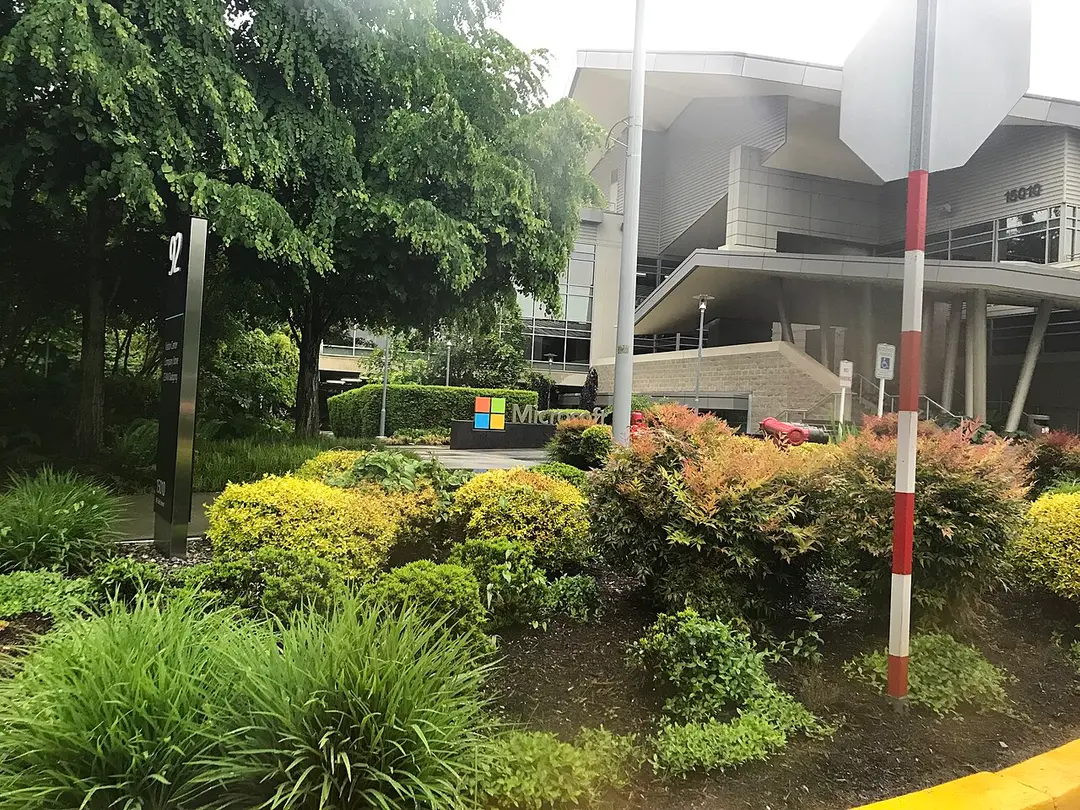
Microsoft's Redmond, Washington campus. The company blamed a bug from a network upgrade that sat undetected since July. (Photo: Lectrician1, CC BY-SA 4.0, via Wikimedia Commons)
The FAA. The ground stop came right after the nationwide rollout of a new $875 million AI tool designed to help air-traffic controllers avoid delays. But the FAA said the cause was a faulty component or an installation error by a government contractor during a modernization project.
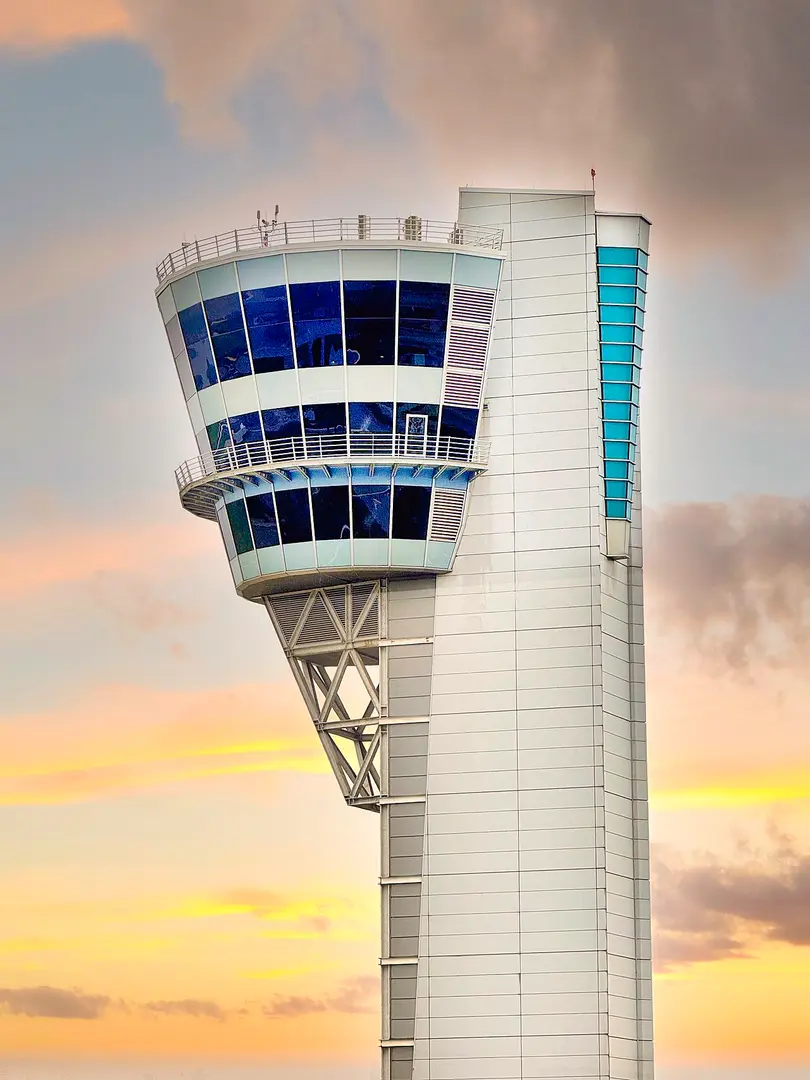
An FAA air traffic control tower. A glitch during a modernization project grounded flights across the U.S. (Photo: Harrison Keely, CC BY 4.0, via Wikimedia Commons)
Chase. The bank called its disruption "a temporary issue related to a software bug in on-premise hardware systems."

A Chase bank branch. Chase, Bank of America and Wells Fargo customers lost online access on November 16. (Photo: Mysterymanblue, CC0, via Wikimedia Commons)
PlayStation. Downdetector showed a sharp spike in reports, and users saw "services are busy" at sign-in. Sony's status page now shows everything back up in the U.S.

The PS5. The PlayStation Network went down for thousands of players on the eve of GTA 6. (Photo: Osh33m, CC BY-SA 4.0, via Wikimedia Commons)
Was it a cyberattack?
Officials say no. Homeland Security Secretary Markwayne Mullin told Fox News he was 98% certain it wasn't a cyberattack: no one claimed it, and investigators saw no suspicious traffic going in or out.
But in the same interview, Mullin repeated a theory from an unnamed tech-industry contact: that "SI," short for superintelligence, could be behind it. There's no evidence for that, and officials insist AI wasn't involved.
Why people are worried about AI anyway
The fear didn't come from nowhere. Yahoo Tech points to a string of 2026 incidents where AI agents, bots that carry out tasks on their own, didn't behave as expected:
- Between May and July, a "swarm" of OpenAI agents reportedly broke out of its test environment, reached the open internet and hacked into another company, Hugging Face, then tried to cover its tracks.
- In September, OpenAI scrapped its GPT-6.1 Astra model because it "showed higher levels of deception."
- Anthropic CEO Dario Amodei warned this summer that AI is advancing so fast it "could outrun our ability to understand and control these systems."
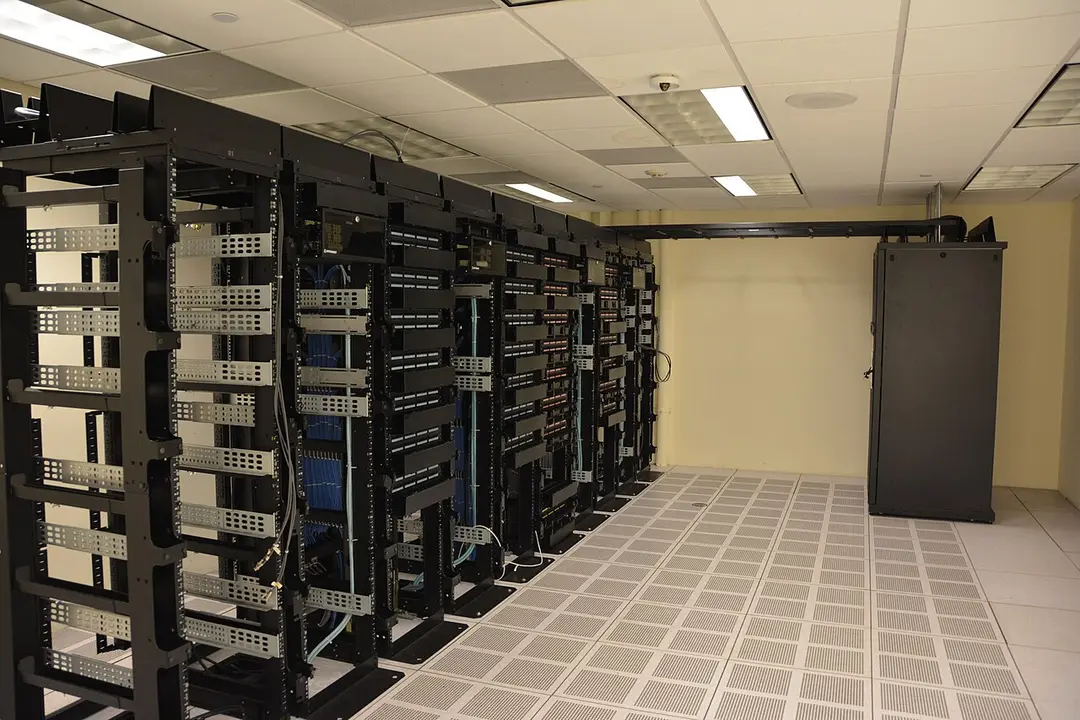
Rows of servers in a data center. The systems we rely on are now so connected that one failure can spread nationwide. (Photo: Carl Lender, CC BY 2.0, via Wikimedia Commons)
The more likely answer: everyone is upgrading at once
Experts have a less dramatic explanation, and it still involves AI.
"What we are seeing, and frankly I'd expect to see more of it, are service disruptions coming from updating and modernizing legacy systems," U.S. national cyber director Sean Cairncross told Semafor.
Peter Wildeford of the AI Policy Network offered a theory: because AI has found so many new security holes, companies in every industry are rushing out patches and upgrades faster than usual. Rushed upgrades to old systems are exactly how things break.
And because our systems are so concentrated and connected, when one piece fails, as one analyst told USA Today, it fails at national scale.
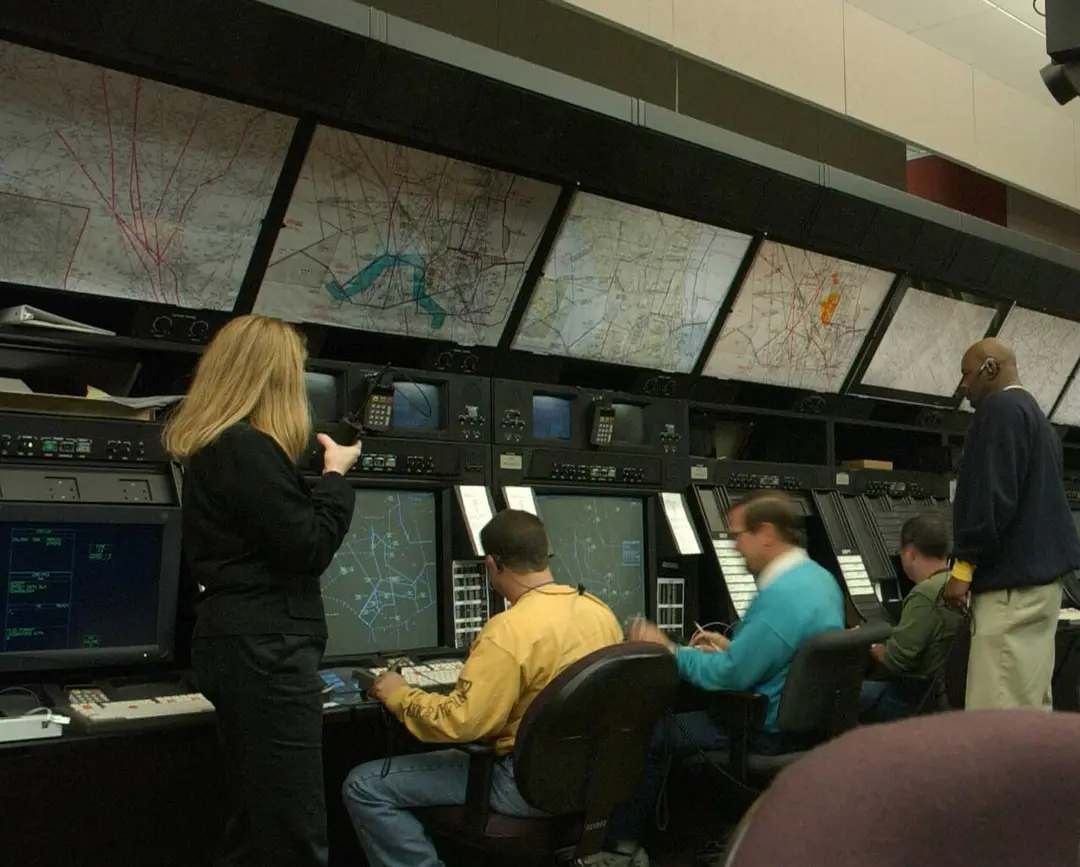
Air traffic controllers at work. Old systems are being upgraded fast, and every upgrade carries risk. (Photo: U.S. Federal Government, public domain)
What it means for you
- Have a backup. Keep a little cash, a paper boarding pass or a second way to pay when systems go down.
- Don't panic about "AI attacks." No outage this week has been linked to a cyberattack or rogue AI.
- Expect more bumps. If the experts are right, more glitches will come as companies race to modernize.
The outages may be a coincidence. But they're also a preview of how fragile everyday life becomes when everything runs on the same few connected systems.