
China is paying workers to wear headcams and record their jobs to train robots. How it works and how far it's gotten

3 分钟阅读
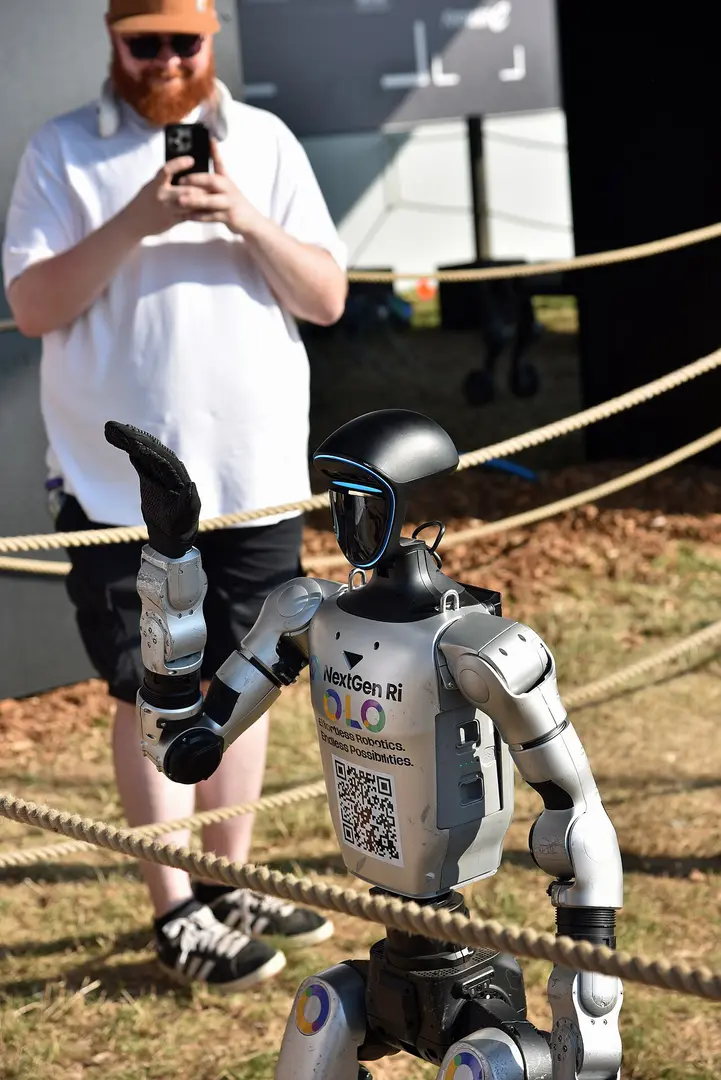
China's robots are famous for their dance moves. Now the goal is real jobs. To get there, Chinese startups are paying people, from supermarket workers to hairdressers, to wear cameras and sensor gloves while they work, then selling those recordings to train robot "brains." Here's how it works and what robots can already do.
The report comes from AFP, via Interesting Engineering, as world leaders gather in Shenzhen for the Asia-Pacific Economic Cooperation (APEC) summit. Shenzhen has become the testing ground for China's working robots.
Quick facts
- The idea: record humans doing real tasks, then use the data to train AI that controls robots
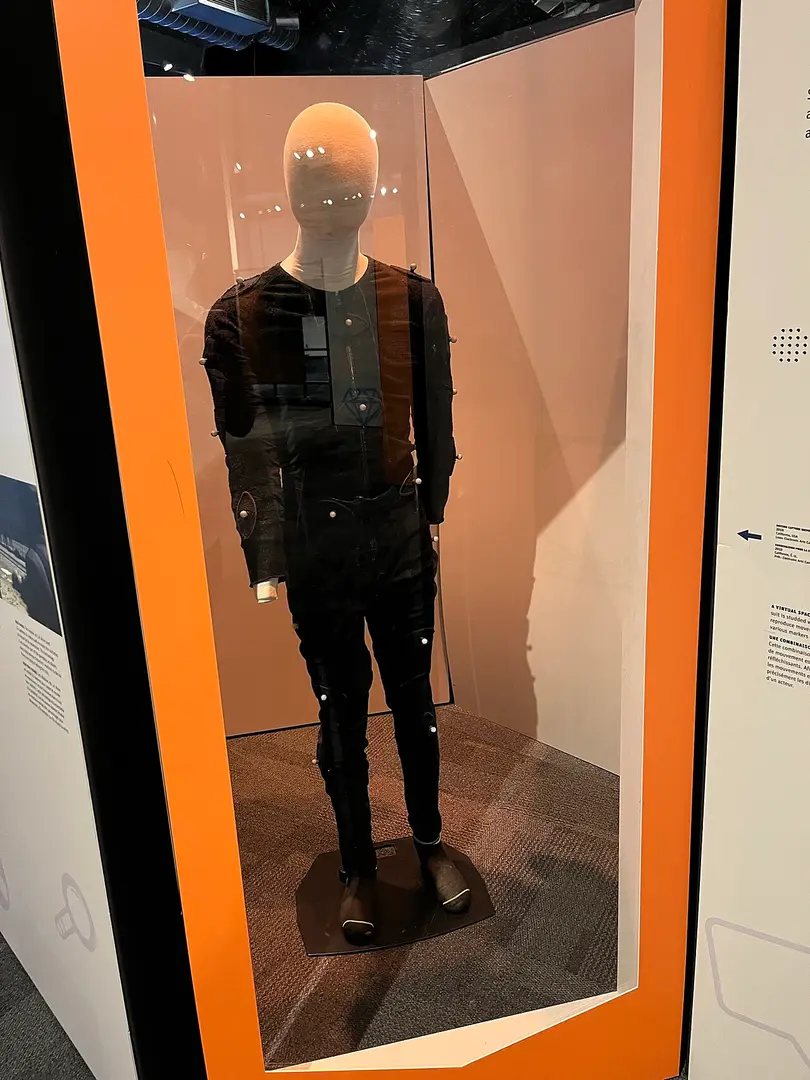
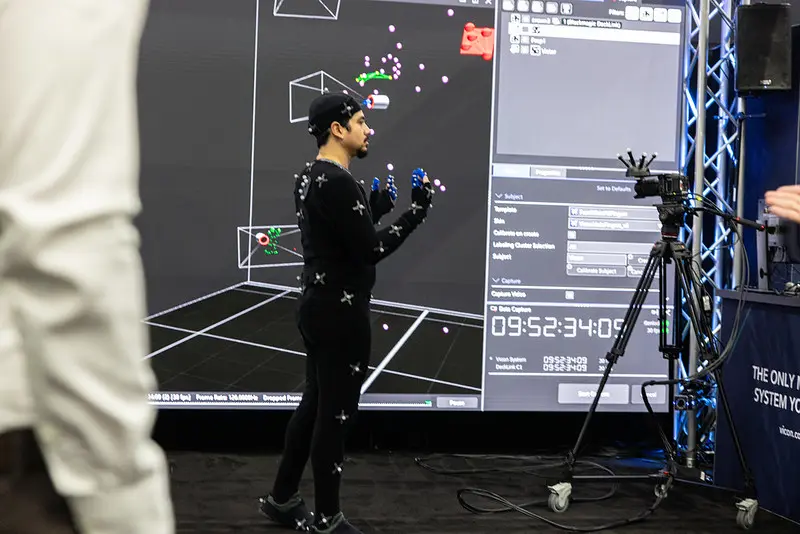
- The gear: helmets with cameras, sensor gloves and body trackers
- Who records: shop workers, cobblers, hairdressers, florists, factory workers and cleaners, who are paid for it
- Biggest collector: Strange Attractor, recording in about 1,600 places in China and 1,000 abroad
- Spending: China's industrial spending on embodied-AI robots rose 230% year over year in January to May 2026
- Already working: robots making coffee and ice cream, sorting parcels and plugging in battery connectors

Robots selling coffee in the park
At a park refreshment stand in Shenzhen, a humanoid robot grabs a cup, pulls a lever to swirl soft-serve ice cream, and hands it over. A second humanoid makes coffee. Each treat costs about $4.
The robots come from AI² Robotics, which says an AI model drives their movements. A human still refills the beans and empties the grounds. The company says it has 200 humanoid servers working in China, and the park stand sells up to 300 coffees a day.
Paying people to record their work
In a supermarket in Dongguan, near Shenzhen, 23-year-old Wang Lin stocks shelves while wearing sensor gloves and a helmet with a camera. A startup called Strange Attractor records and processes her movements, then resells the data to companies building AI models that act as a robot's brain.
Wang says robots could take over "relatively dangerous and repetitive work," like factory jobs or work at heights.
Strange Attractor's founder, Kang Yu, says today's robots are "like babies." Another Shenzhen startup, MindOn, trains its model on human movement from body trackers and first-person cameras, instead of having people remote-control robots.
Why first-person video matters
Robots need examples of exactly what hands and eyes do during a task. A headcam captures the job from the worker's point of view: where they look, how they grip, what order they do things in. That's very close to what a robot's own camera will see.
What robots can already do
- Parcels: at a Shenzhen logistics center, robot arms from X Square Robot handle odd-shaped parcels and flip them so the labels face up.
- Batteries: at battery giant CATL, humanoids from Spirit AI already plug in high-voltage connectors.
- Food: AI² Robotics' coffee and ice cream robots.
Shenzhen helps. "Faster than almost anywhere," is how Dermot McGrath of advisory firm ZenGen Labs describes how quickly developers there can test a part and deploy it.
The catch: homes are hard
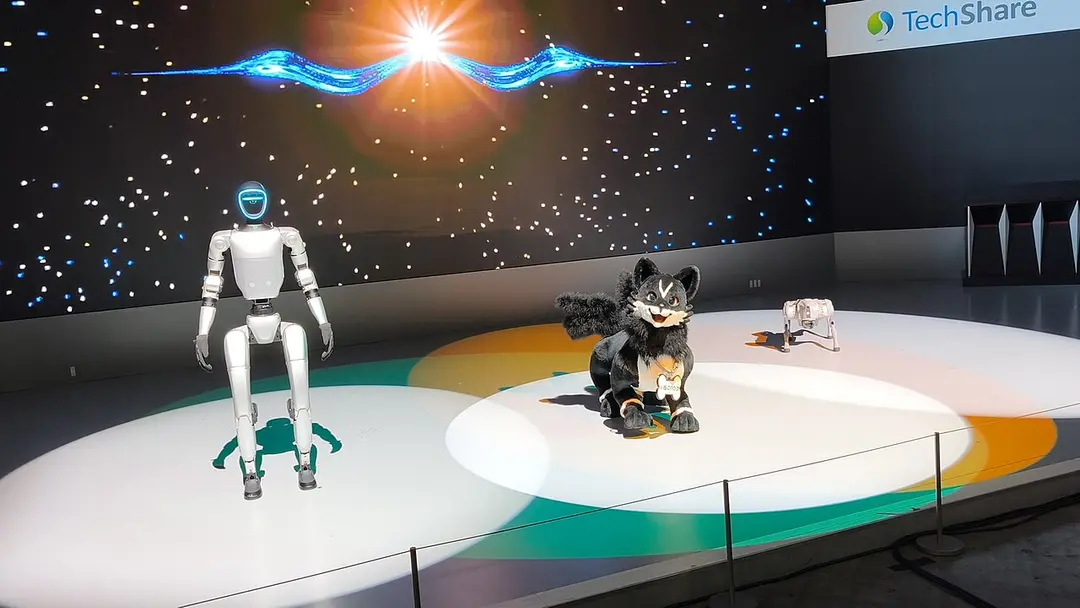
Robots still struggle on their own with complex jobs like cleaning or ironing. Arnold Pei, X Square's vice president, says homes are harder than factories because lighting, floors and objects are always different.
Robots are still mostly "confined to well-defined and repetitive" tasks, says Pavlo Zvenyhorodskyi of the Carnegie Endowment for International Peace. And the report notes there are no figures yet on how much headcam data actually improves robot skills.
What's next
Kang Yu expects large-scale deployment of AI-powered robots in China next year, though he admits they won't be very smart at first. For now, the robots are learning the way people do: by watching people work.
Sources: Interesting Engineering via Yahoo Tech: Chinese startups collect human movements to train robots for real-world jobs.