
Google is sending AI data centers to space: the Blue Origin launch, TPUs, solar power and everything you need to know

4분 분량
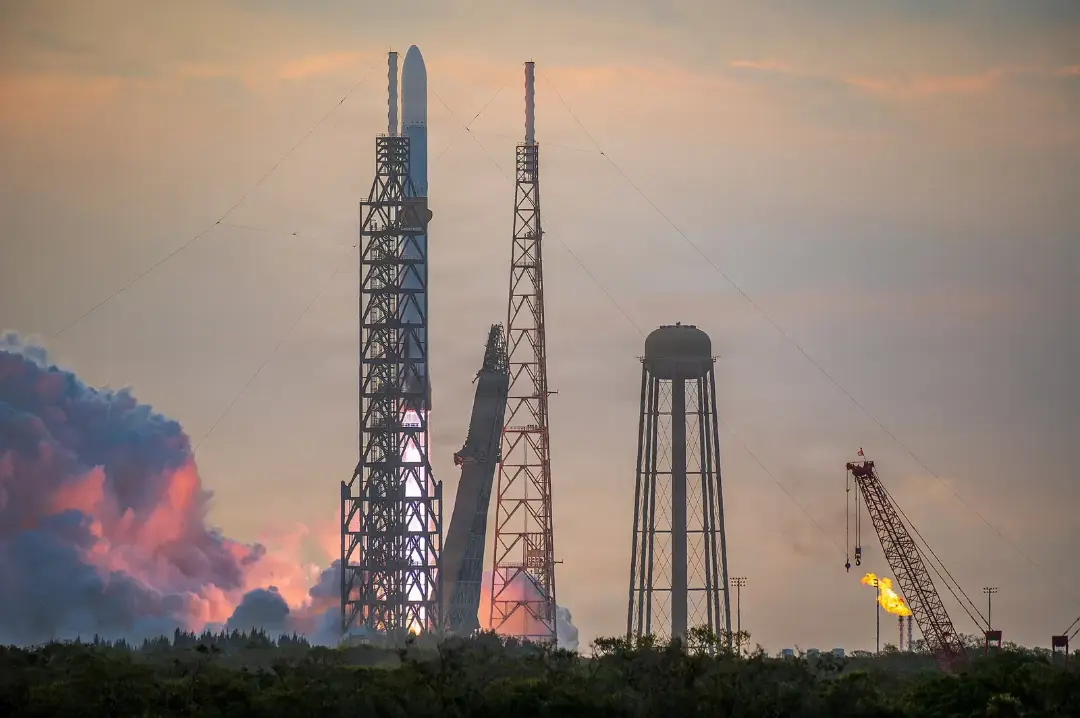
Google has picked Jeff Bezos' Blue Origin to fly its AI computing satellites into orbit in early 2029. Here's what Project Suncatcher is, how a data center in space would work, what's already flying, and the big problems Google still has to solve.
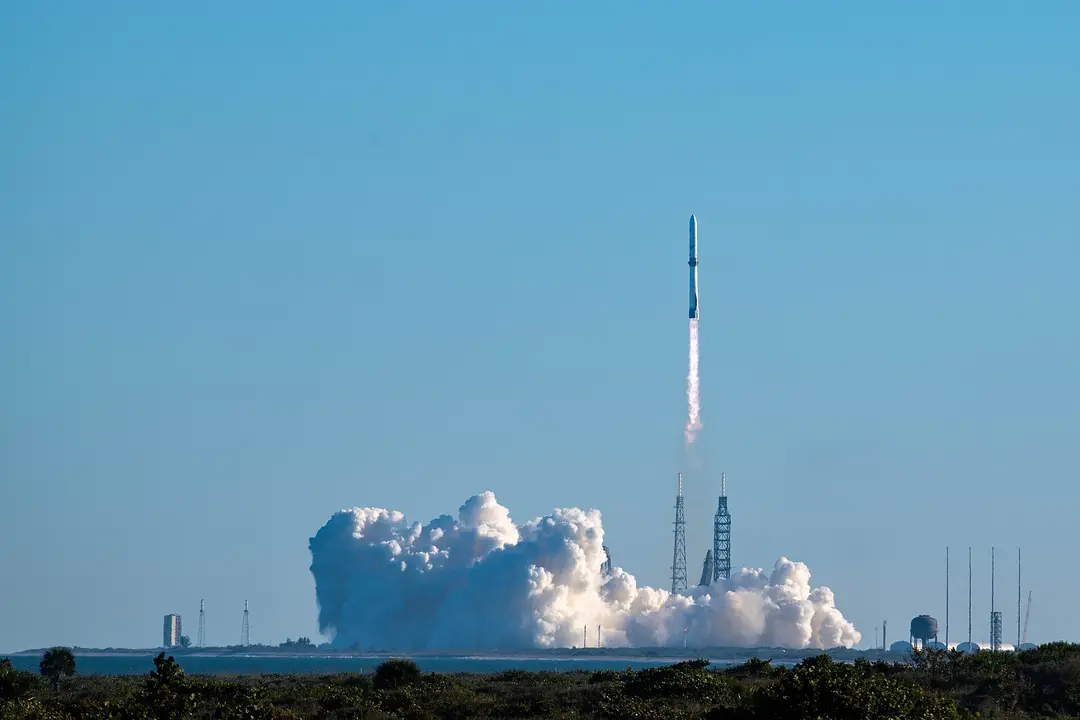
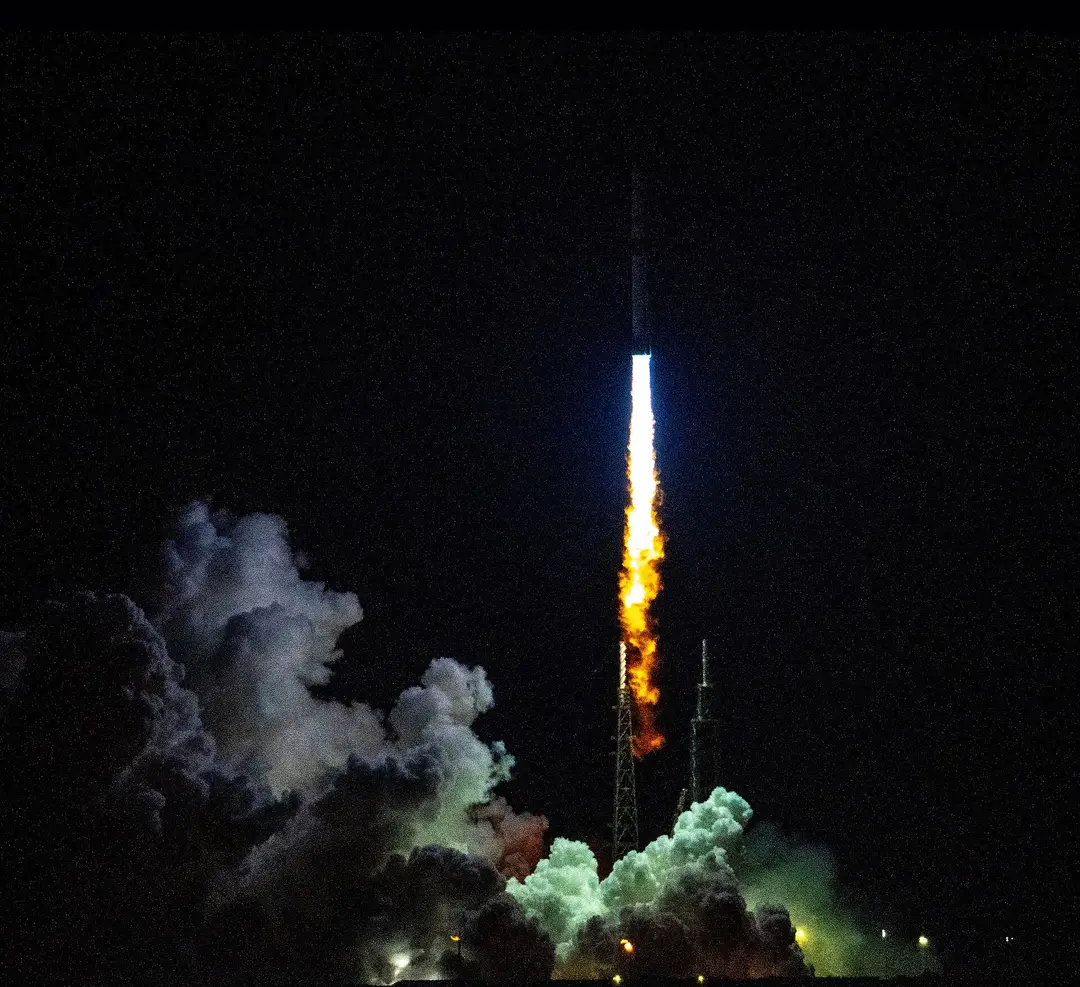
On Thursday, November 19, 2026, Blue Origin said Google had chosen its New Glenn rocket to launch satellites for Project Suncatcher, Google's experiment in running AI computing in space. The launch is targeted for the first quarter of 2029, Reuters reported. It will be Google's first heavy-lift flight dedicated to Suncatcher, and it will carry several computing satellites at once.
It sounds like science fiction. But Google already has a test satellite in orbit, and the reason behind all this is very down to earth: AI is running out of power on the ground.
Quick facts
- Customer: Google (Alphabet)
- Rocket: Blue Origin's New Glenn, a heavy-lift reusable rocket
- Launch target: Q1 2029
- Payload: several solar-powered satellites with Google's TPU AI chips
- Computing power: roughly one data center server rack per satellite, according to Reuters
- Orbit: sun-synchronous, with near-continuous sunlight
- Already in orbit: a prototype built with Planet, launched October 2026 on SpaceX's Transporter-18
- Not public yet: how many satellites will fly and what the launch costs
What is Project Suncatcher?
Project Suncatcher is Google's research "moonshot" to find out whether AI computing can live in space. The idea: put Google's own AI chips on satellites, power them with sunlight, and link the satellites together so they work like one big computer.
Google first revealed the project in November 2025. Less than a year later, on October 1, 2026, it said its first prototype satellite, built with the satellite company Planet, had reached orbit and was "operating as expected."
"Some things can only be tested in space," wrote Travis Beals, the Google senior director who leads the project.
Why put a data center in space?
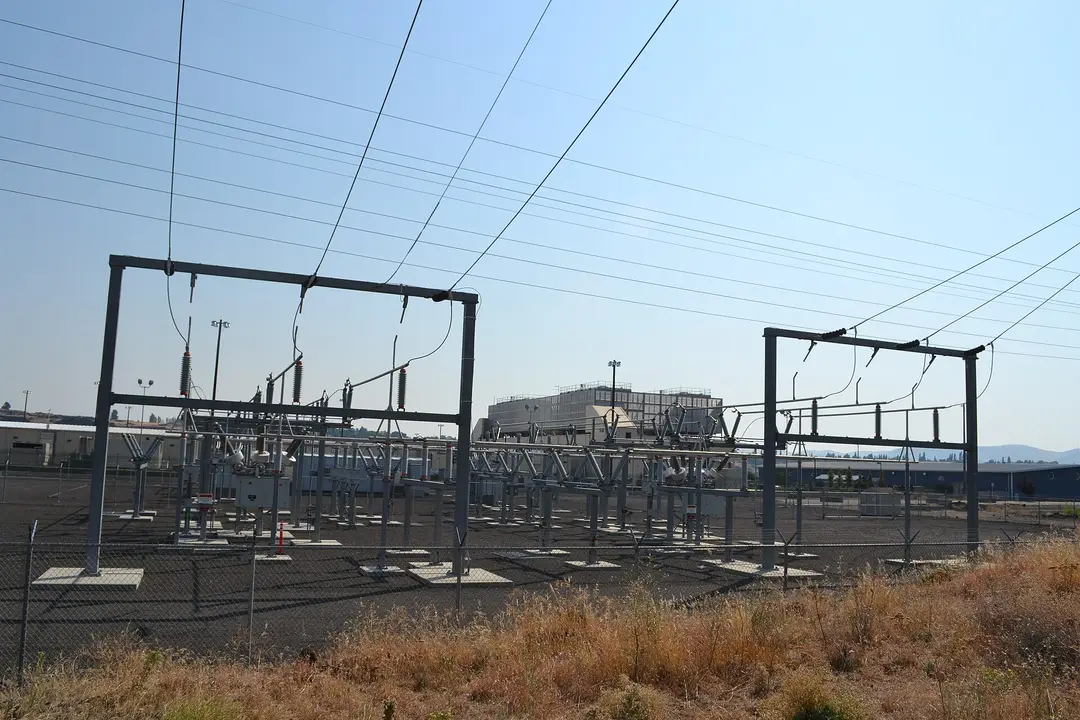
Every new AI model needs more chips, and every chip needs electricity, land, water and cooling. On the ground, AI data centers are pushing power grids and local communities to the limit, and building new power plants takes years.
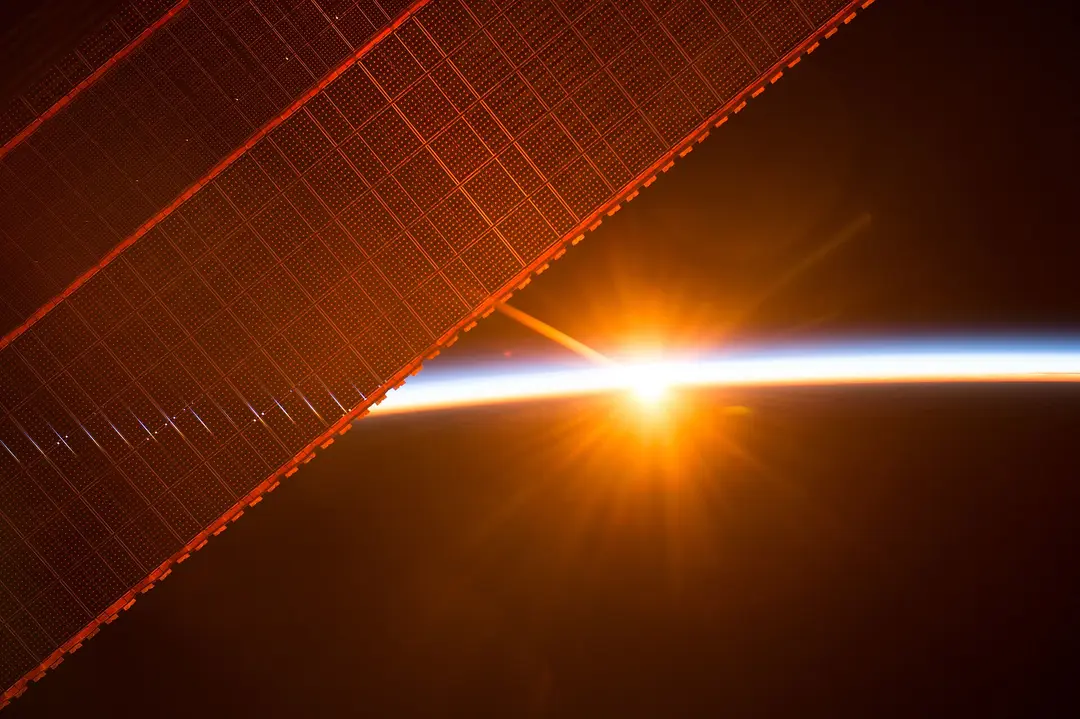
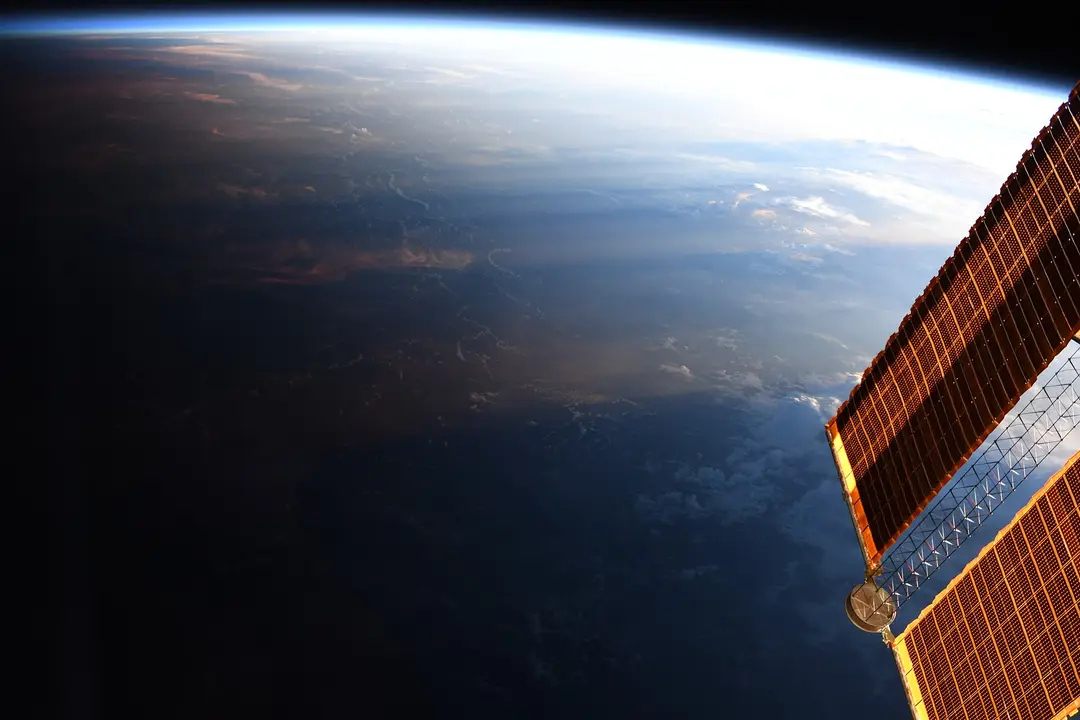
Space offers one big advantage: sunlight that almost never stops. In the right orbit, solar panels see the sun nearly all the time. No night, no clouds, no weather, and no power bill to the local grid.
Google isn't the only one chasing this. SpaceX and the startup Starcloud are also exploring data centers in orbit, as AI demand keeps outrunning what can be built on Earth.
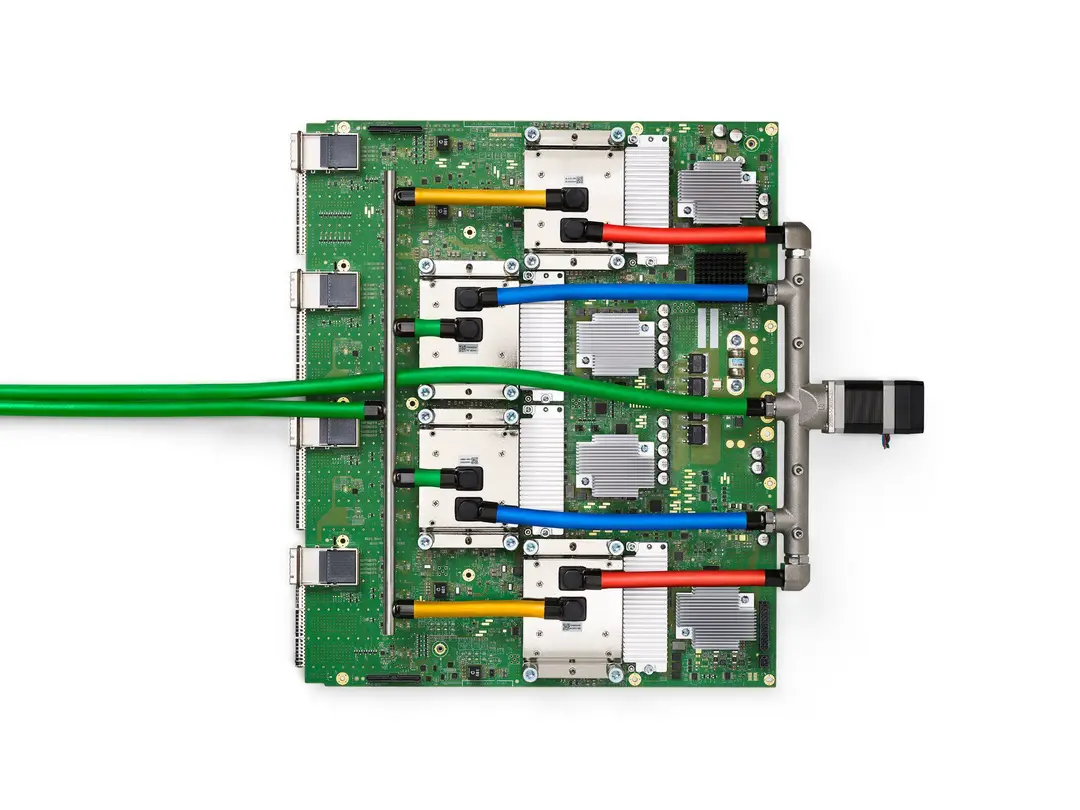
What's a TPU?
A tensor processing unit is Google's own AI chip. It's built for the maths behind neural networks, and Google uses TPUs to train and run its Gemini models. Each Suncatcher satellite will carry TPUs with roughly the computing power of a full rack of servers in a normal data center.
How does a sun-synchronous orbit work?
A sun-synchronous orbit passes over the poles and keeps the same angle to the sun all year. Pick the right version, and a satellite rides along the line between day and night, so its solar panels stay in sunlight almost all the time. That's exactly what a power-hungry computer wants.
What is the test satellite checking?
The prototype in orbit now is small and careful. It's testing whether Google's chips can survive three things:
- Launch: the shaking and g-forces of a rocket ride
- Radiation: space radiation can damage electronics and silently corrupt data
- Heat: with no air, fans don't work. Heat has to travel through pipes and radiate away from panels
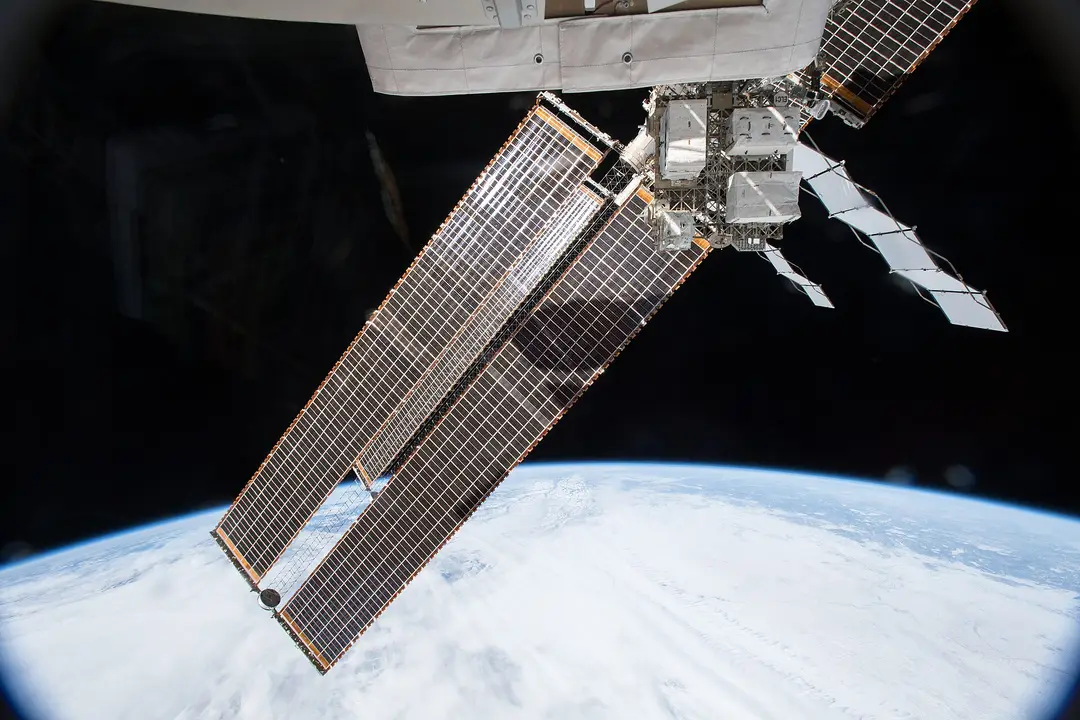
Google has also said it plans more test satellites, including ones that talk to each other with lasers, which is how a group of satellites could work together like one data center.
Why Blue Origin, and why it matters
This is a big win for Blue Origin. Reuters noted the company is trying to grow its launch business after delays and a launchpad explosion in May. Landing Google, one of the biggest names in AI, gives New Glenn a high-profile mission on its schedule.
What it does not mean:
- SpaceX didn't lose a contract. The prototype flew on a SpaceX rocket.
- Blue Origin isn't confirmed for every future Suncatcher launch.
- A commercial data center in space is not ready yet.
The catch
Experts point to three big hurdles that could keep orbital data centers years away from real use:
- Launch costs are still high, even with reusable rockets.
- Engineering: radiation, cooling and repairs are hard. You can't send a technician to swap a broken server in orbit.
- Production: a real data center would need satellites built in huge numbers.
Google itself calls Suncatcher a long-term research moonshot. The 2029 flight is about proving it can work, not selling space computing to customers yet.
What's next
- Now: the Planet-built prototype keeps collecting data on how TPUs behave in orbit.
- Next: more test satellites, including laser links between them.
- Q1 2029: the first dedicated heavy-lift Suncatcher launch on New Glenn.
If it works, the next time you ask an AI chatbot a question, the answer might come from a computer orbiting the Earth.
Sources: Reuters (via Yahoo Tech), Google's Project Suncatcher blog, Tesla North, NPR.